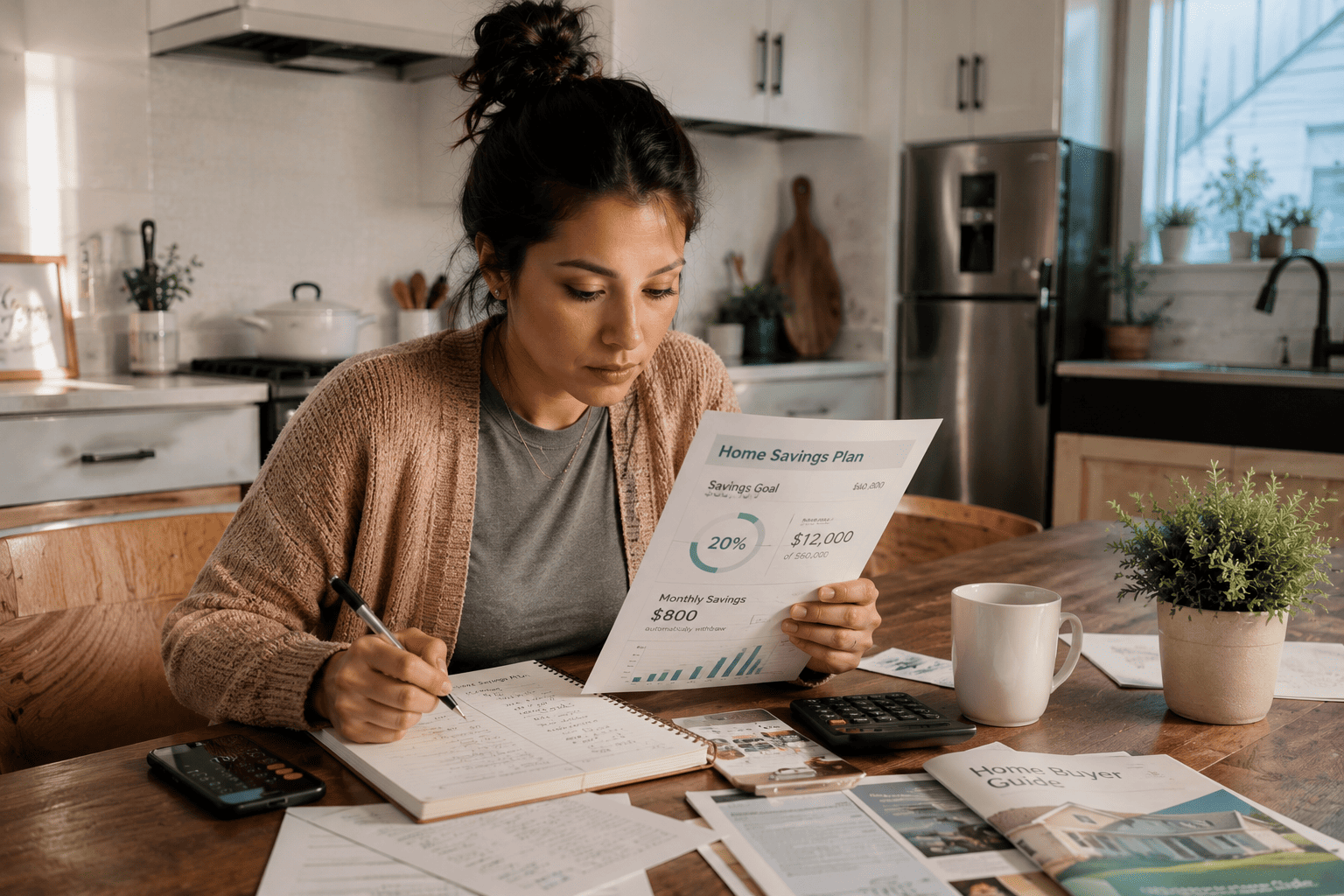
Emergency savings before buying a home can make the difference between feeling prepared and feeling financially stretched the moment you get the keys. Many buyers spend months focused on the down payment, but a down payment alone does not protect you from the real costs that can show up before and after closing.
For California buyers in particular, housing costs are already significant, so going into homeownership without a financial cushion can create pressure quickly. Building emergency savings before buying a home helps you handle surprises with more confidence and keeps your home purchase aligned with long-term stability instead of short-term stress.
Why a Down Payment Is Only Part of the Picture
Saving for a down payment is important, but it is only one piece of purchase readiness. Buyers also need funds for closing costs, moving expenses, utility setup, and the first unexpected repair that seems to appear at exactly the wrong time.
Homeownership creates expenses renters may not be used to
When something breaks in a rental, the landlord usually handles it. Homeowners do not have that safety net. Even common issues such as plumbing repairs, appliance replacement, or minor roof maintenance can affect the budget fast.
A strong cash reserve protects the purchase you worked for
Without savings left over after closing, even a manageable issue can push buyers toward credit cards or other debt. That can make the transition into homeownership feel more fragile than it should.
How Much Emergency Savings Should You Aim For?
There is no single number that fits every buyer, but a practical target is to have several months of essential living expenses available after closing. That reserve should be separate from the down payment and separate from the money already committed to the transaction.
Three to six months is a useful planning range
Many buyers use three to six months of core expenses as a starting point for emergency savings before buying a home. Core expenses usually include housing, utilities, groceries, transportation, insurance, and minimum debt payments.
The right amount depends on your financial situation
Buyers with variable income, single-income households, or higher monthly obligations may want a larger cushion. Buyers with very stable income and lower debt may feel comfortable closer to the lower end of the range, but they still benefit from having reserves available.
California Buyers Should Plan for Higher Surprise Costs
California housing markets often come with larger monthly payments and higher service costs. That means even routine surprises may be more expensive than expected. A repair bill, insurance adjustment, or temporary income disruption can affect the budget more sharply when housing already takes up a meaningful share of income.
Unexpected homeowner costs are not always dramatic
Some of the most common budget problems are not major disasters. They are the smaller but real expenses that add up, such as replacing a water heater, fixing a leak, servicing HVAC equipment, or covering a deductible after a minor issue.
Early ownership costs can stack up
New furniture, window coverings, moving supplies, landscaping, or immediate maintenance tasks can appear in the first few months. None of those expenses automatically mean a buyer made the wrong decision, but they do show why extra savings matter.
Budgeting Strategies That Help Buyers Build a Cushion
Emergency savings before buying a home usually grows faster when buyers treat it as part of the purchase plan instead of an optional extra. A few practical budgeting moves can help.
Separate your savings buckets
Keep the down payment fund, closing cost fund, and emergency fund distinct. That makes it easier to see whether the purchase is truly affordable instead of assuming one lump sum will solve every need.
Stress-test your future monthly payment
Before buying, practice living on the expected housing budget for a few months. If the projected payment leaves no room for savings or normal life expenses, that is useful information to have before closing rather than after.
Expect the first year to be active
Buyers who assume the first year of ownership will bring at least a few extra costs are usually better prepared. Planning for those costs can reduce the likelihood that a normal homeownership experience turns into a financial setback.
A Safer Path to Homeownership Starts With Reserves
Emergency savings before buying a home is not about delaying the dream forever. It is about making sure the purchase is sustainable once you move in. A strong financial cushion helps buyers handle repairs, protect their monthly budget, and enjoy homeownership with less uncertainty.
Make Homeownership Happen with Allied Residential
Mortgage Buying a home is a big step — but it doesn’t have to be complicated. At Allied Residential Mortgage, we’re here to guide you through every stage of the mortgage process with clear answers, trusted advice, and personalized solutions that fit your goals. 📞 Ready to get started? Call us today or visit alliedresidentialmortgage.com to explore your home loan options with confidence.