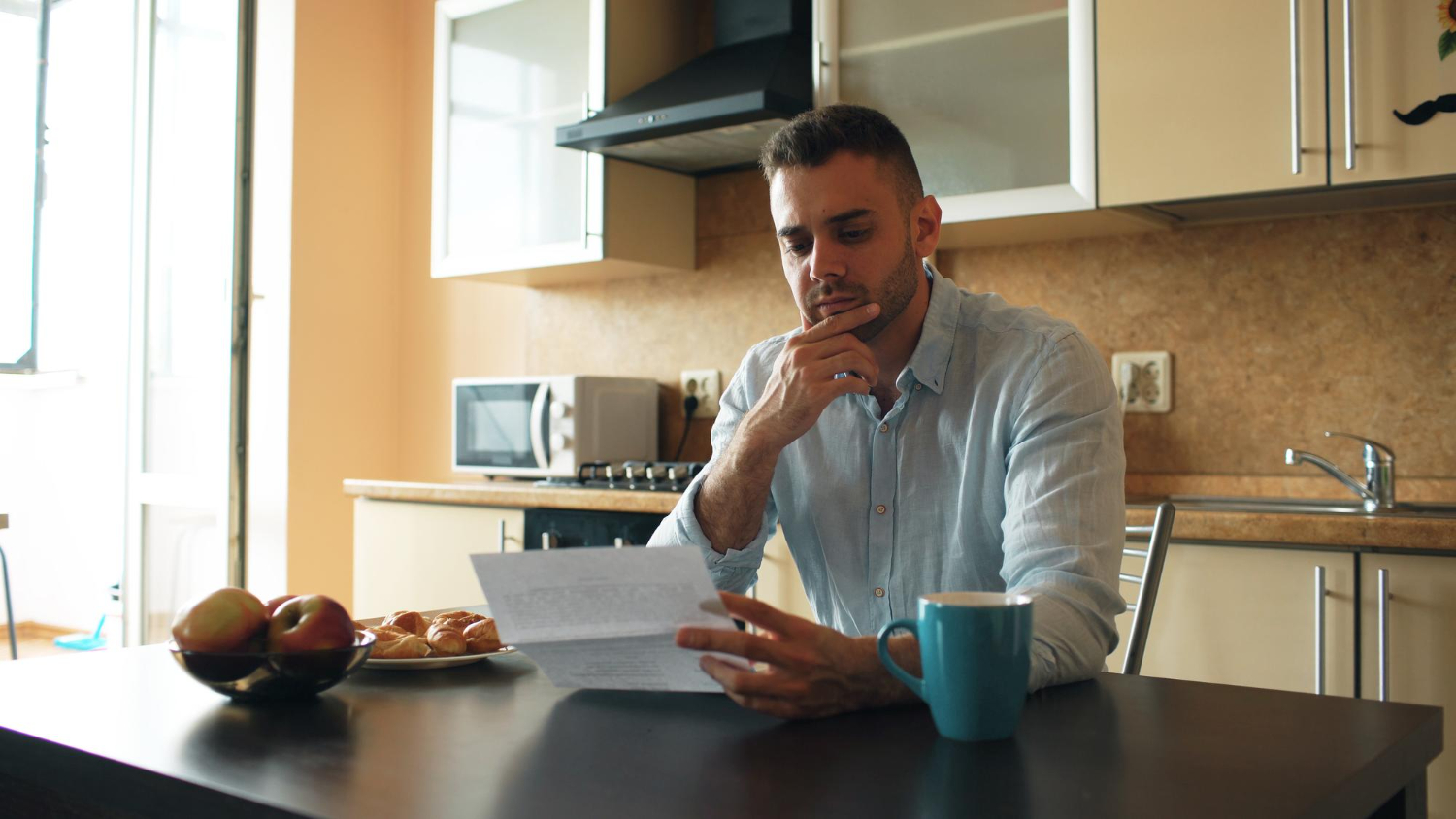
For many aspiring buyers, the biggest financial question comes well before the home search begins. Should you use extra money to reduce existing debt, or should you focus on building savings for a future purchase? When buyers are trying to decide whether a down payment first strategy makes sense, the answer usually depends on how debt, savings, and mortgage readiness fit together.
There is no single formula that works for everyone. Credit profile, debt-to-income ratio, cash reserves, and timing goals all affect which path makes the most sense for a particular buyer.
Debt and Savings Affect Mortgage Readiness in Different Ways
Paying down debt and saving for a down payment both support homeownership, but they do so for different reasons. Understanding that distinction can make the decision more practical.
Debt reduction can improve affordability
Monthly debt obligations are part of the broader financial picture lenders review. Reducing those obligations may improve how comfortably a future mortgage payment fits into the budget.
Savings creates buying flexibility
A stronger savings position can support the down payment, closing costs, and early ownership expenses. Without enough cash reserves, even a buyer with decent income may feel unprepared to move forward.
Debt-to-Income Ratio Often Plays a Major Role
One reason this question matters is that debt-to-income ratio can affect borrowing power. Buyers carrying high monthly debt may find that it limits how much room is available for a mortgage payment.
Monthly obligations matter more than balances alone
It is not just the total amount owed that matters. The required monthly payments can have a direct impact on the overall affordability picture.
Lower obligations can improve flexibility
Reducing certain debts may help create a more balanced profile when the time comes to apply. That can support stronger options without changing income itself.
Credit Scores and Cash Reserves Both Deserve Attention
Some buyers focus so heavily on one goal that they neglect the other. In reality, a stronger buying position often comes from balanced progress.
Paying debt may help protect credit health
Consistent debt management can support the overall credit profile, which may matter when lenders review the application.
Savings can reduce pressure later
A buyer who reaches the closing table with no real cushion may still feel vulnerable after purchase. Setting aside money for reserves can make ownership feel more sustainable.
A Balanced Approach Often Works Best
The decision is not always either-or. Some buyers benefit from dividing progress between debt reduction and savings rather than putting every extra dollar toward only one category.
Prioritize high-pressure issues first
If one debt is creating a heavy monthly burden or if savings are nearly nonexistent, that pressure point may deserve immediate attention before the rest of the strategy is balanced out.
Align the plan with the buying timeline
Someone hoping to purchase soon may need a different approach than someone planning farther down the road. Timing affects how aggressively each goal should be pursued.
The Best Path Depends on the Full Financial Picture
Should you pay off debt or save for a down payment first? The answer often comes from weighing debt-to-income ratio, credit strength, cash reserves, and how close you are to buying. Buyers who look at all four together are usually better positioned to make progress with confidence.
Make Homeownership Happen with Allied Residential
Mortgage Buying a home is a big step – but it doesn’t have to be complicated. At Allied Residential Mortgage, we’re here to guide you through every stage of the mortgage process with clear answers, trusted advice, and personalized solutions that fit your goals.
Ready to get started? Call us today or visit alliedresidentialmortgage.com to explore your home loan options with confidence.